

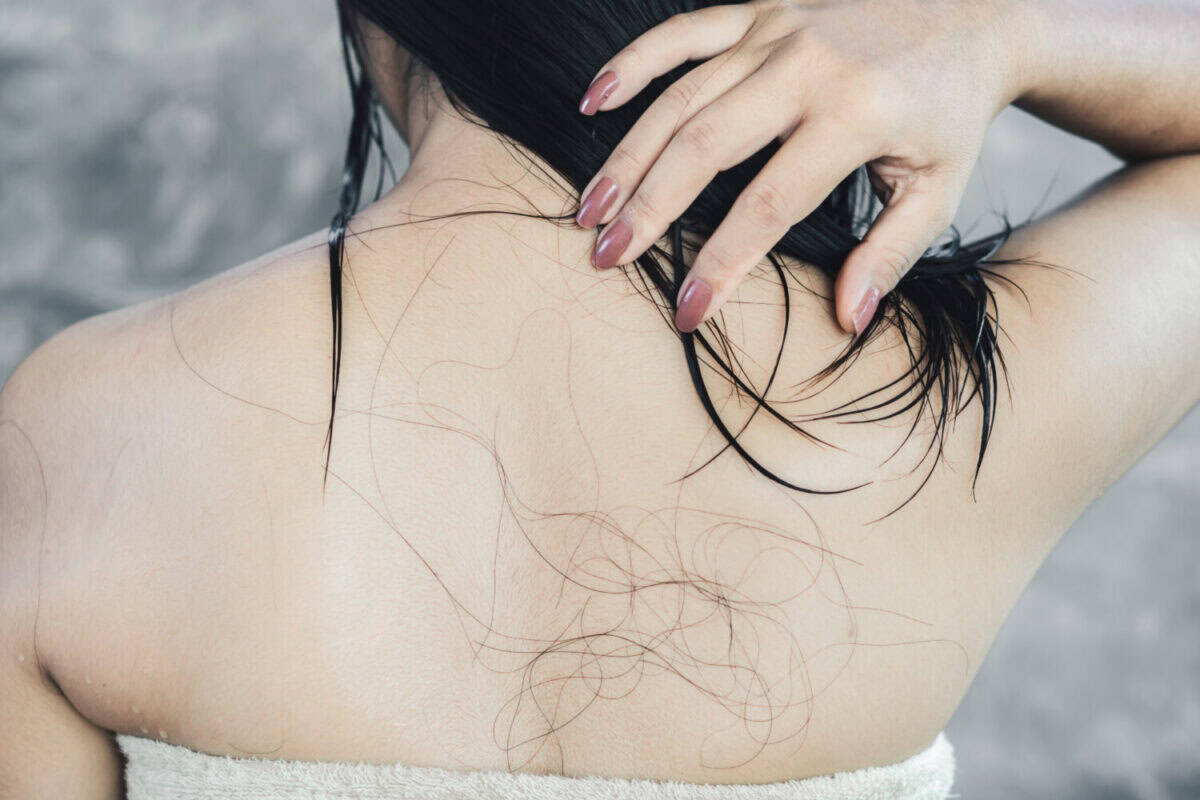
Seeing strands of hair collect in the shower drain can be alarming, but according to Dr. Corrie Alford, Board-Certified Dermatologist at MetroDerm’s Atlanta-Sandy Springs and Hiram locations, some shedding is completely normal. In a recent article from Everyday Health titled “How Much Hair Is Okay to Lose in the Shower?”, Dr. Alford explained why hair shedding is a natural part of the body’s growth cycle – and when it may be time to seek professional help.
According to the American Academy of Dermatology, people shed about 50 to 100 strands of hair each day. However, how much hair you actually notice in the shower often depends on your hair-washing routine. “People who shower once a week – such as those with curly hair – may see more hair come out than those who wash daily, as more-frequent washers have fewer loose hairs to shed during each shower,” says Dr. Alford.
Dr. Alford emphasized that shedding is a healthy and expected part of the hair growth process. Hair follicles remain active even after strands fall out, continually producing new growth. At any given time, most hair is actively growing, while a smaller percentage is resting or shedding.
“When a strand sheds, the hair follicle remains intact and fully capable of producing new hair,” Alford explains. “The approximately 100 strands we lose each day fall into that last category and are nothing to worry about.”
Still, a sudden increase in shedding can sometimes signal an underlying issue. Dr. Alford notes that patients are often the first to recognize when something feels different about their hair, even before others notice visible thinning.
“You would have to lose a lot of your hair for someone else to notice it,” she explains. “So if you feel like you’re losing hair and others say you’re not, feel confident that you’re not crazy.”
According to Dr. Alford, excessive shedding that persists for four to six weeks without improvement should be evaluated by a Dermatology Provider. Additional symptoms such as itching, scaling, or scalp irritation may also indicate that something more than normal shedding is occurring.
One of the most common causes of temporary hair shedding is telogen effluvium, a condition that can occur several months after a significant physical stressor, leading to a large percentage of scalp hair follicles shifting into the “shedding” phase.
“Increased shedding can occur two to three months after a physical stressor, such as childbirth, major surgery, malnutrition, or a severe infection,” says Alford. “This is known as telogen effluvium, and it’s the most common reason people see an increase in hair shedding.”
Dr. Alford also stresses the importance of early intervention for certain medical hair-loss conditions, including alopecia areata and inflammatory hair loss disorders that may lead to scarring.
“The sooner we intervene in those situations, the better the chance of improvement,” she explains. “It’s easier to save hair than regrow hair.”
For individuals concerned about increased hair shedding or changes in scalp health, scheduling an evaluation with a Dermatology Provider at MetroDerm can help identify potential causes and determine the best treatment options.
Dr. Alford sees patients at Atlanta–Sandy Springs and Hiram. She specializes in Medical Dermatology, Cosmetic Dermatology, and Skin Cancer Treatments. Request an appointment with Dr. Alford right here on our website.
Looking for same-week Dermatology appointments in the Atlanta Metro area? We reserve same-week slots at most locations with select Dermatologists. Request your Dermatology appointment now.