

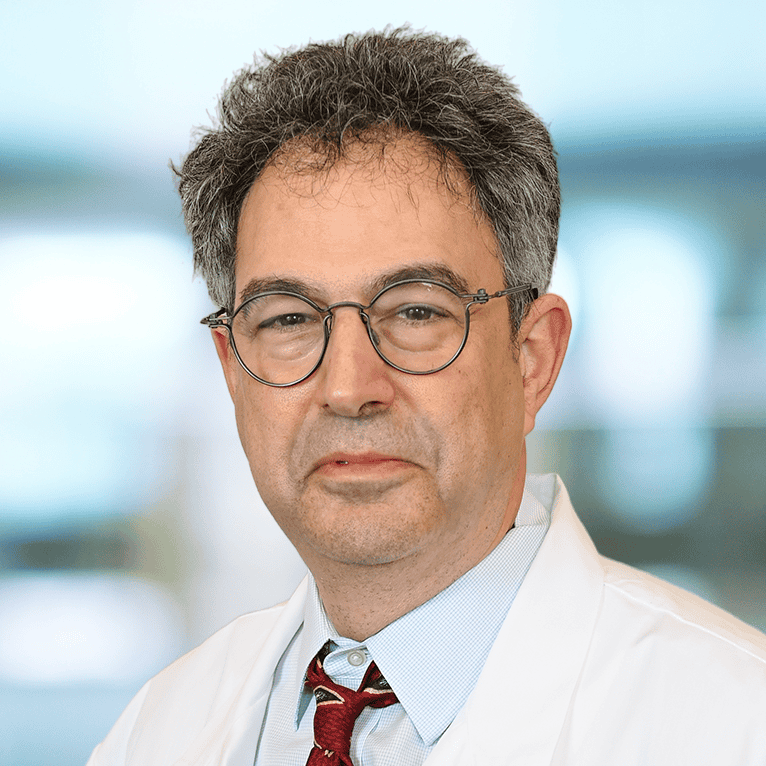
Board-Certified Dermatologist Dr. Jack Arbiser of MetroDerm in the Atlanta Metro area recently presented at the 2026 American Academy of Dermatology Annual Meeting, held in Denver in March, where leading experts from across the field gathered to share the latest advancements in dermatologic care. During the presentation, Chemical Peeling for Inflammatory Disorders, Dr. Arbiser, along with Dr. Thomas J. Lawley, Professor of Dermatology Emeritus, highlighted the evolving role of chemical peels beyond Cosmetic Dermatology applications, emphasizing their therapeutic potential in managing a variety of inflammatory skin conditions. His presentation contributed to the meeting’s varied educational program, which featured cutting-edge research, clinical insights, and innovative approaches shaping the future of dermatology.
Chemical Peels for Inflamed Skin
If you live with a chronic skin condition like psoriasis, atopic dermatitis, active acne, or rosacea, you probably spend a lot of time trying creams, pills, and home remedies – often with only partial relief. Dr. Arbiser highlights an advanced approach that may sound familiar from Cosmetic Dermatology, but is being applied in a very different way: medical-strength chemical peeling for inflammatory skin disorders.
Your Skin Barrier and Why It Matters
Your skin is more than what you see in the mirror; it is a multi-layer barrier made up of the epidermis (the outer layer), the dermis (the support layer with collagen and blood vessels), and deeper tissues like fat and muscle that help everything function properly. This barrier keeps vital moisture in while keeping irritants, allergens, and germs out, so when it breaks down, you can develop redness, cracking, infection, and chronic itch.
The very top of the skin, called the stratum corneum, is made of “dead” cells, but its health still depends on the living layers underneath working well together. With age and ongoing inflammation, skin cells lose energy, make less collagen, become less acidic, and produce fewer natural antimicrobial peptides that normally help defend against infection. This combination makes the skin more fragile, more inflamed, and slower to heal – especially in areas already affected by chronic conditions like psoriasis or eczema.
The “Acid Mantle”: Why pH Is So Important
Healthy skin naturally sits on the acidic side of the pH scale, sometimes called the “acid mantle” of the skin. Inflammatory skin diseases tend to push the skin’s surface toward a more alkaline (less acidic) state, which promotes irritation, allows “bad” bacteria, such as certain staph and strep strains, to thrive, and makes many topical treatments less effective.
The chemical peel approach is built on restoring that healthy acidity. A medical-grade solution called trichloroacetic acid (TCA) is applied by a Dermatologist to carefully selected areas, instantly acidifying the skin and helping reset the local environment from an inflamed, alkaline state back toward normal. When the skin’s pH is closer to normal, prescription creams, including topical steroids and other medications, tend to work better and penetrate more evenly.
How Medical TCA Peels Work
TCA peels for inflammatory disorders are not the same as Cosmetic Dermatology peels aimed only at brightening or smoothing the complexion. It requires a higher-strength TCA (typically in the 40–50% range) in a controlled, in-office setting to target stubborn, inflamed, or thickened skin.
Here is what happens during and after treatment:
- The Dermatologist applies TCA directly to affected skin, such as thick plaques, fissures, or chronically inflamed patches.
- Despite the word “acid,” application to inflamed or cracked areas is often surprisingly not painful, because the peel is done with careful technique and the skin nerves are already somewhat dulled by chronic inflammation.
- The treated outer layers undergo controlled peeling, removing excess scale, callus-like thickening, and “tired” or senescent cells that are driving inflammation rather than helping heal.
- As the skin regenerates, the new surface is more acidic, less inflamed, and more receptive to medications and moisturizers.
For inflammatory conditions, TCA peels are usually performed about once a month at first. Longer gaps between visits can allow the skin to drift back toward its inflamed state, so consistency is important for more durable remission.
Conditions That May Benefit
TCA peels can be used as an adjunct, not a replacement, to carefully chosen medical therapy in several stubborn skin conditions. These include:
- Psoriasis, especially on the palms and soles (palmoplantar psoriasis), where plaques are thick, painful, and crack easily.
- Atopic dermatitis/eczema, with a focus on reducing itch and improving barrier function.
- Chronic ulcers, both genetic (such as certain blistering disorders) and acquired, where poor healing and bacterial biofilms are a major problem.
- Active acne, especially when there is significant inflammation and clogged follicles.
- Viral or infectious bumps such as molluscum contagiosum and warts.
- Thick calluses, corns, and other hyperkeratotic lesions that block effective treatment.
- Inflammatory conditions such as discoid lupus, hidradenitis, rosacea, and some fungal infections (tinea of the feet or body) as part of a broader care plan.
Case reports and published studies show that combining TCA with agents like gentian violet can lead to notable improvement in palmoplantar psoriasis and certain chronic ulcers over weeks to months. In these reports, thick plaques softened, fissures closed, and chronic wounds began to heal after repeated, supervised treatments.
Beyond the Surface: The Science Behind Healing
What makes this approach particularly exciting is that it does more than “burn off” the top layer. Research suggests that carefully controlled chemical injury from TCA can help “reprogram” aging or senescent skin cells to produce fewer inflammatory signals, while encouraging healthier cells to take their place.
Several mechanisms appear to be at work:
- Restoring acidity changes how DNA is packaged in skin cells, making it harder for them to switch on genes that drive chronic inflammation.
- TCA helps break up bacterial biofilms – slimy, protective layers that allow bacteria to hide from antibiotics and the immune system, especially on ulcers and long-standing wounds.
- Removing excess scale and thickened layers improves penetration of topical medications and reduces mechanical cracking.
- Controlled injury stimulates repair pathways in the deeper dermis, which can reduce fibrosis (thick scar-like tissue) that often prevents wounds from closing.
In short, a medically supervised peel does not just resurface the skin; it improves the underlying environment so the skin can function more efficiently again.
If you struggle with a chronic inflammatory skin disorder that has not responded as well as you hoped to standard therapies, ask your MetroDerm Dermatology Provider whether a medical TCA peel could be a helpful addition to your regimen.
Dr. Jack Arbiser sees patients at the MetroDerm – Sandy Springs, location. He specializes in Medical Dermatology and Skin Cancer Treatments. Request an appointment with Dr. Arbiser right here on our website.
Looking for same-week Dermatology appointments in the Atlanta Metro area? We reserve same-week slots at most locations with select Dermatologists. Request your Dermatology appointment now.
About MetroDerm
Established in 2003, MetroDerm provides Dermatology services, Mohs Micrographic Surgery, and Plastic Surgery. The organization’s team of almost 30 Dermatology Providers includes highly trained medical practitioners, including a CoolSculpting® National Trainer and Master CoolSculptor; acclaimed Plastic Surgeons; and Cosmetic Injectors. MetroDerm is equipped to meet all levels of Dermatological need – from skin cancer treatments to Medical Dermatology and Cosmetic Dermatology, ranging from injectables to industry-leading laser treatments. With a long-standing reputation for providing advanced patient-centered care, the medical practice has six locations, including Alpharetta, Buckhead, Hiram, Lilburn, and Sandy Springs.
About MetroDerm’s Center for Plastic Surgery
The state-of-the-art Center for Plastic Surgery at MetroDerm combines a team of highly skilled, internationally renowned, and Board-Certified Plastic Surgeons with decades of experience in aesthetic and reconstructive procedures. Their expertise and reputation for utilizing cutting-edge technologies and Dermatological innovation support an unwavering dedication to helping patients achieve their aesthetic goals. From injectables and laser treatments to facelifts, breast augmentations, and body contouring procedures, the Center for Plastic Surgery provides a full spectrum of aesthetic procedures and surgeries tailored to individual preferences. The team is patient-centered, prioritizing clear communication, thorough consultations, and setting realistic expectations to ensure a positive experience from start to finish. With locations in the Greater Atlanta area, including Sandy Springs and Hiram.