

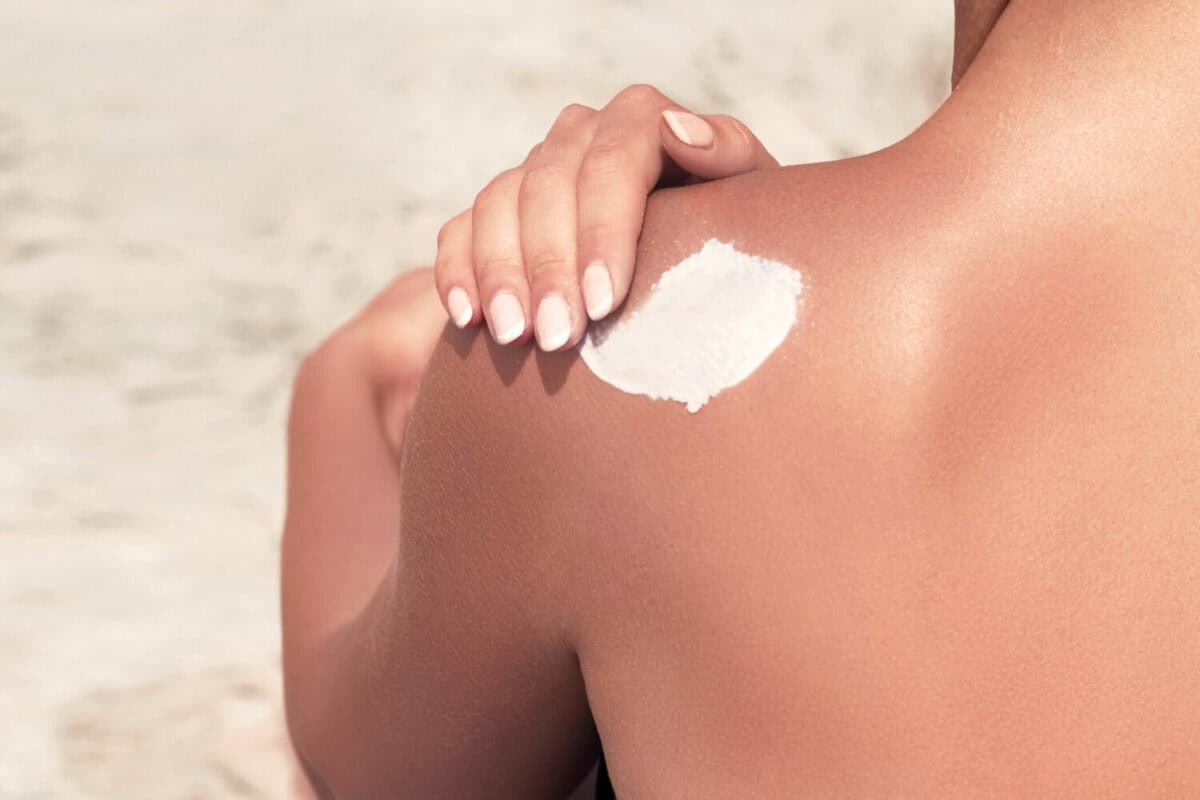
In recognition of Skin Cancer Awareness Month, the dermatology experts at MetroDerm are encouraging patients across the Atlanta area to take a closer look at common sunscreen misconceptions that may be putting their skin at risk. While sunscreen is one of the most effective tools for protecting against harmful UV radiation, persistent myths continue to influence how, and how often, it’s used. Understanding the facts is key to reducing your risk of skin cancer and maintaining healthy, protected skin year-round.
Here are five sunscreen myths it’s time to leave behind:
Myth #1: A higher SPF means you don’t need to reapply
The truth: No sunscreen provides all-day protection. Even high SPF formulas wear off over time. It is recommended to reapply your sunscreen every two hours or more often if you are swimming or sweating.
Myth #2: Makeup with SPF is enough protection
The truth: While makeup containing SPF can offer an added layer of defense, most people don’t apply enough to achieve adequate protection. “Makeup often only contains SPF 15,” said Dr. Pearl Rimtepathip, board-certified dermatologist at MetroDerm’s Hiram location, when interviewed by The Weather Channel. “We recommend applying a higher-SPF sunscreen underneath for effective protection.” A broad-spectrum sunscreen (protects against both UVA and UVB rays) with an SPF of 30 or higher is the most efficacious. Also, make sure to apply to your neck, your ears, and your chest.
Myth #3: You can’t get sunburned through a window
The truth: While glass blocks UVB rays, it does not fully block UVA rays, which penetrate deeper into the skin and contribute to aging and skin cancer risk. Daily sunscreen use is important, even indoors and while driving.
Myth #4: Sunscreen blocks vitamin D production
The truth: In practice, sunscreen use does not completely prevent vitamin D absorption. Plus, vitamin D can be safely obtained through diet – such as fatty fish, fortified dairy products, and cereals – or through supplements when needed. The Skin Cancer Foundation stresses that exposing unprotected skin to sunlight to maintain vitamin D levels is not recommended, as it increases the risk of skin cancer and premature skin aging.
Myth #5: Sunscreen causes more harm than good
The truth: In recent years, social media influencers have perpetuated false claims that sunscreen is harmful and, in some extreme cases, that unfiltered exposure to UV rays is healthy. In fact, when used as directed, sunscreen can decrease the risk of skin cancer and skin precancer by 40 to 50%. Dr. Amy Kim and Dr. Corrie Alford discuss it here. Sunscreens available in the U.S. are regulated for safety and play a vital role in preventing skin cancer.
It’s important to know how sunscreen works. Sunscreens protect the skin from harmful ultraviolet (UV) radiation in two primary ways. Mineral (physical) sunscreens, typically made with ingredients such as zinc oxide or titanium dioxide, sit on the skin’s surface and reflect or scatter UV rays. Chemical sunscreens, on the other hand, absorb UV radiation and convert it into heat, which is then released from the skin. Both types are effective when used correctly and labeled “broad-spectrum,” meaning they protect against both UVA (aging) and UVB (burning) rays.
Skin cancer remains the most common cancer in the United States, yet it is also one of the most preventable. Incorporating a broad-spectrum sunscreen with SPF 30 or higher into your daily routine, along with protective clothing and annual skin exams, can significantly reduce your risk.
This Skin Cancer Awareness Month, MetroDerm encourages everyone in the Atlanta metro community to separate fact from fiction and make sun protection a daily priority.
For more information, visit MetroDerm.org or contact your nearest MetroDerm location.
###
About MetroDerm
Established in 2003, MetroDerm provides dermatology services, Mohs Micrographic surgery, and plastic surgery. The organization’s team of almost 30 dermatology providers includes highly trained medical practitioners, including a CoolSculpting® National Trainer and Master CoolSculptor; acclaimed plastic surgeons; and cosmetic injectors. MetroDerm is equipped to meet all levels of dermatological need – from skin cancer treatments to medical dermatology and cosmetic treatments ranging from injectables to industry-leading laser treatments. With a long-standing reputation for providing advanced patient-centered care, the medical practice has six locations, including Alpharetta, Buckhead, Hiram, Lilburn, and Sandy Springs. For more information, visit MetroDerm.org.
About MetroDerm’s Center for Plastic Surgery
The state-of-the-art Center for Plastic Surgery at MetroDerm combines a team of highly skilled, internationally renowned, and board-certified plastic surgeons with decades of experience in aesthetic and reconstructive procedures. Their expertise, and reputation for utilizing cutting-edge technologies and dermatological innovation, supports an unwavering dedication to helping patients achieve their aesthetic goals. From injectables and laser treatments to facelifts, breast augmentations, and body contouring procedures, the Center for Plastic Surgery provides a full spectrum of aesthetic procedures and surgeries tailored to individual preferences. The team is patient-centered, prioritizing clear communication, thorough consultations, and setting realistic expectations to ensure a positive experience from start to finish. With locations in the Greater Atlanta area, including Sandy Springs and Hiram, visit CenterForPlasticSurgeryAtlanta.com for more information.